DuoLoRA: Cycle-consistent and Rank-disentangled Content-Style Personalization
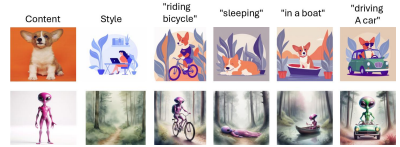
Preserve content and style with two separate low-rank adapters for personalized generation.
Assistant Professor · EECS, York University
I am a professor in the EECS department at York University. Before this, I was a Machine Learning Researcher at Qualcomm AI Research. I was also a postdoctoral researcher and a Vector Postdoctoral Affiliate in the Vision Group at University of British Columbia advised by Prof. Leonid Sigal and Prof. Kwang Moo Yi.
I obtained my Ph.D. under the supervision of Prof. Stefan Roth, Ph.D. in the Visual Inference Group, Technische Universität Darmstadt.
I received my M.Sc. from Saarland University where I was a part of the Machine Learning Group and the Max Planck Institute of Informatics.
I am seeking strong, research-dedicated PhD and Master’s (MASc/MSc) students to join my group in the Department of Electrical Engineering and Computer Science at York University. Focus Areas include generative modeling (diffusion, normalizing flows, VAEs), multimodal AI, scene understanding, and physical reasoning.
A strong foundation in linear algebra, probability, and optimization, along with strong hands-on proficiency in PyTorch/Python, is required. Prior publication experience at major venues (CVPR, ICCV, ECCV, NeurIPS, ICLR) is highly valued for PhD applicants.
If you are interested in working with me, please apply to the York EECS graduate program. Send me an email with your CV, academic transcripts, and a concise summary of your research interest, using the tag [Prospective Student -
I am interested in computer vision and machine learning, specifically in deep generative models (diffusion models, normalizing flows, variational methods, GANs) for multimodal representation learning.
Preserve content and style with two separate low-rank adapters for personalized generation.
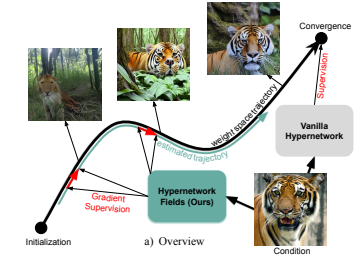
Amortize the entire convergence pathway of a task network for efficient generation and personalization.
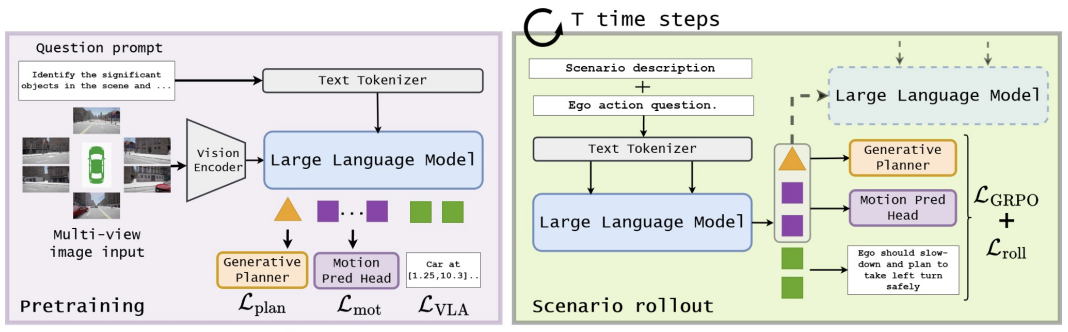
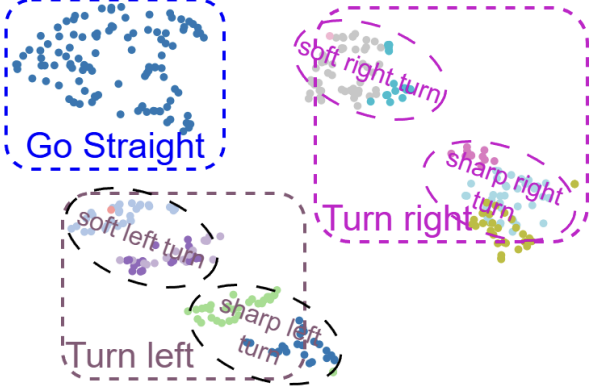
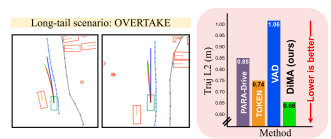
Distill the information from a multi-modal LLM to a vision-based end-to-end planner through surrogate tasks.
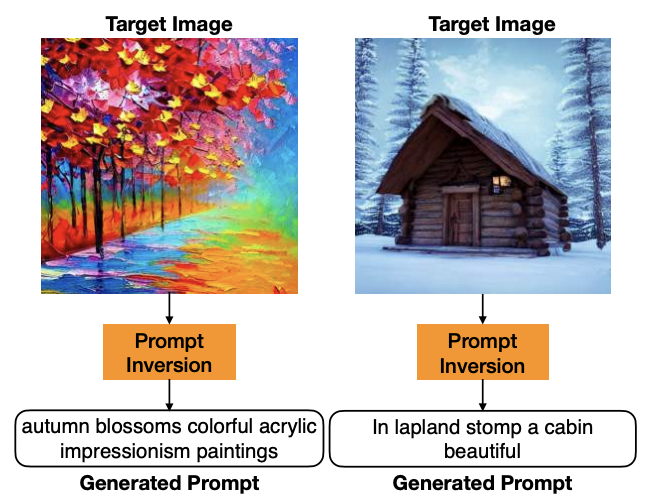
Inverting the diffusion model to obtain interpretable language prompts, based on the finding that different timesteps of the diffusion process cater to different levels of detail in an image.
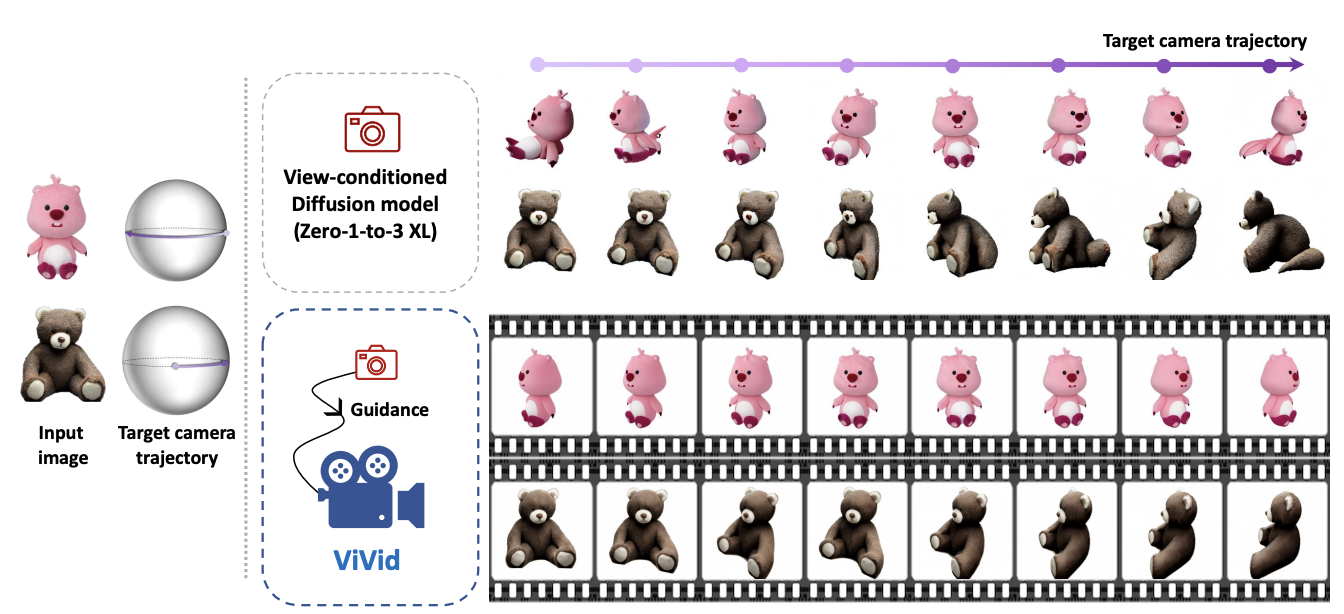
We utilize a pre-trained video diffusion model to solve consistency in zero-shot view synthesis.
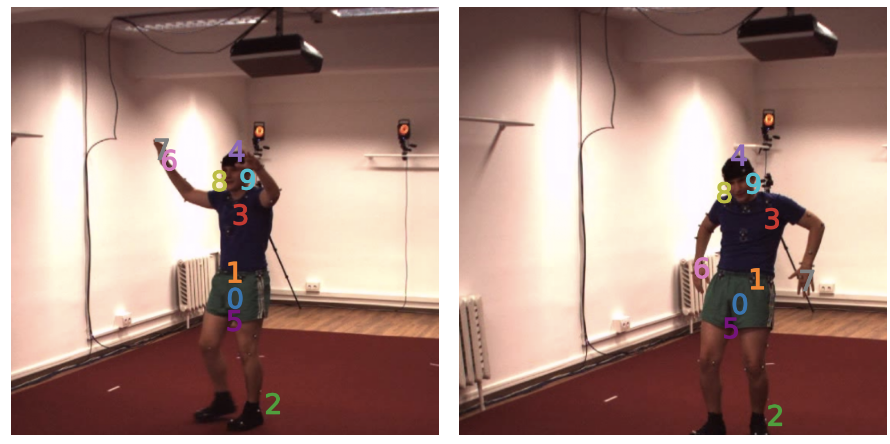
One can leverage the semantic knowledge within diffusion models to find keypoints across images of a similar kind.
One can leverage the semantic knowledge within diffusion models to find semantic correspondences with prompt optimization.
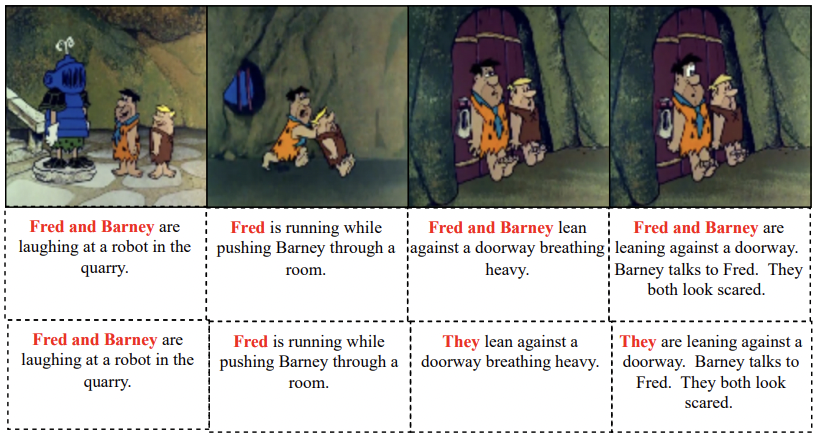
Sentence-conditioned soft attention over the memories enables effective reference resolution and learns to maintain scene and actor consistency when needed.
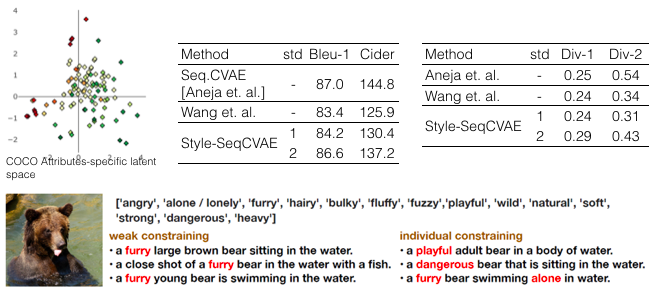
A sequential variational framework encoding the style information grounded in images for stylized image captioning.
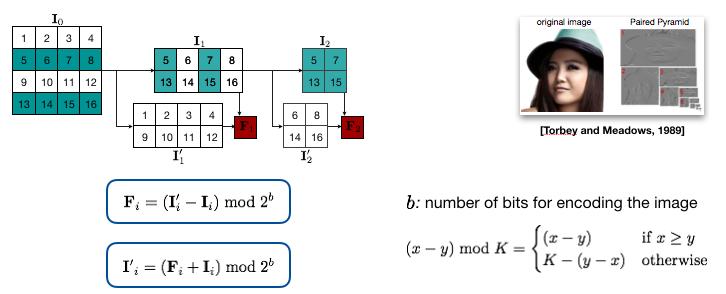
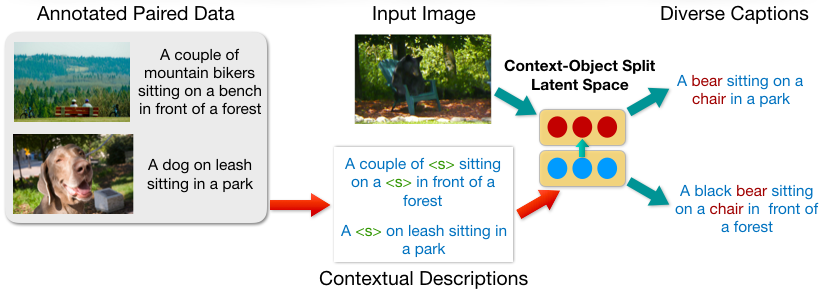
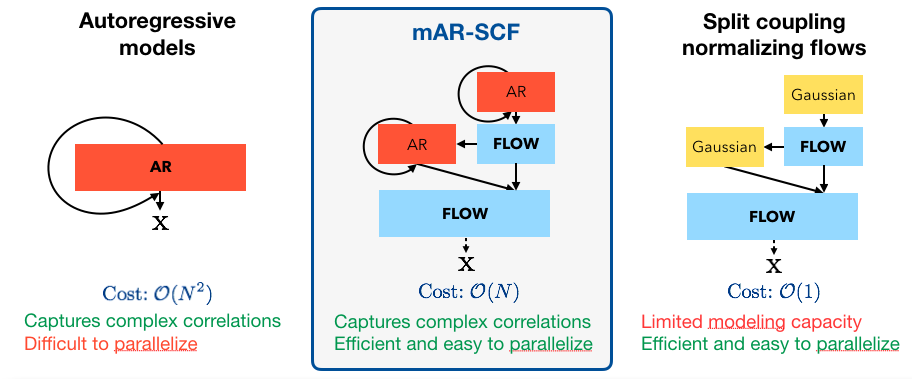
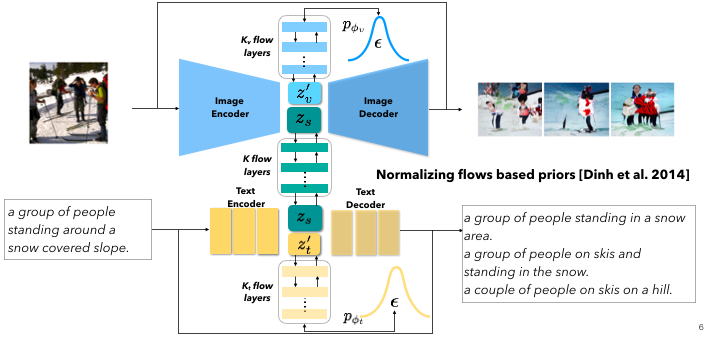
Our model integrates normalizing flow-based priors for the domain-specific information, allowing us to learn diverse many-to-many mappings between the image and text domains. Best Paper Award, Fraunhofer IGD.
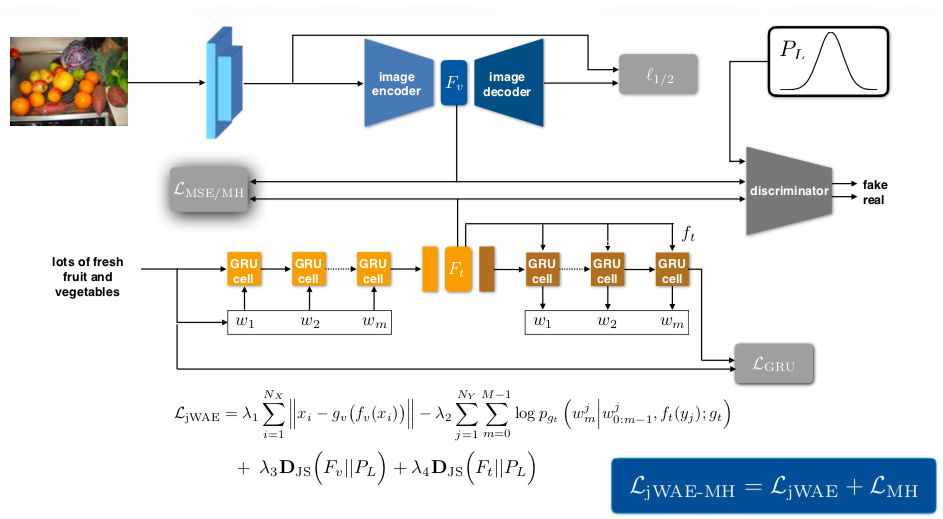
We propose joint Gaussian regularization of the latent representations to ensure coherent cross-modal semantics that generalize across datasets.